
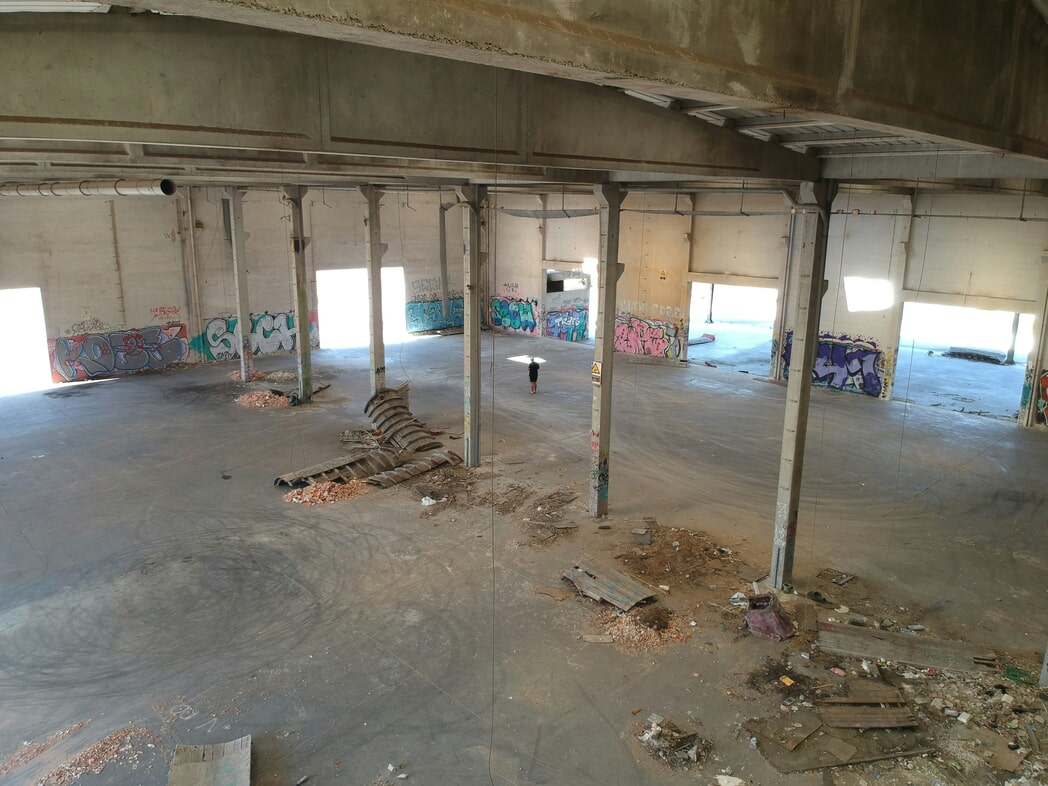
Construction sites are often considered prime targets for theft and vandalism, largely due to their open layouts, minimal after-hours supervision, and the range of valuable materials, tools, and equipment stored on-site. According to the National Insurance Crime Bureau, construction site theft in the United States costs the industry between $300 million and $1 billion annually, with more than 11,000 pieces of construction equipment being stolen each year.
What’s worse, less than 25% of stolen items are ever recovered. Construction site theft and vandalism can cause both direct and indirect losses. In addition to requiring construction companies to replace or repair missing and damaged materials, tools, and equipment on-site, these incidents may also cause prolonged business disruptions and project delays during the recovery process. In some cases, worksite theft and vandalism may even result in insurance challenges, reduced stakeholder confidence, and lasting reputational damage, ultimately threatening construction companies’ ability to secure future projects and maintain continued financial stability.
Fortunately, there are several steps construction companies can take to better secure their worksites, thereby minimizing criminal activity and related losses. A layered defense strategy—which entails using a combination of physical, technical, and environmental security solutions—is the best way to accomplish this feat. This article provides more information on the cost of construction site theft and vandalism and outlines associated layered defense mechanisms.
The cost of theft and vandalism
Between the lack of consistent oversight and the presence of high-value, easily transportable materials and equipment at construction sites, these locations are attractive targets for criminal activity and mischief. While acts of vandalism are generally the result of criminals looking to cause chaos through malicious property damage, mark their territory with graffiti, or simply engage in thrill-seeking behavior, theft incidents usually stem from criminals wanting to resell stolen items in alternative marketplaces for their own financial gain.
{{cta-business-general-2="/components/rich-text-cta"}}
According to the latest research from surveillance company SentryPODS, the average construction site theft incident costs between $6,000 and $30,000, depending on the type of materials and equipment stolen. Some of the most commonly stolen items from construction sites are power tools, small machinery, lumber, aluminum, and copper wire and piping. In fact, the U.S. Department of Energy confirmed that $1 billion worth of copper is stolen from construction sites each year.
There are several direct, tangible losses that construction companies may incur from worksite theft and vandalism. These expenses include replacements and temporary rentals for stolen materials and equipment, repairs for damaged property and site infrastructure, deductibles for related insurance claims, and elevated premiums going forward.
Additionally, there are indirect losses that, although harder to quantify, often exceed the total impact of direct losses. These costs include project delays and overruns, subcontractor disruptions, lost productivity, contract disputes and legal penalties, diminished employee morale and higher turnover, reduced client loyalty, and administrative and investigative efforts related to restoring missing or damaged property. Industry experts assert that for every $1 in direct theft and vandalism losses, indirect costs can add $3 to $10 to the overall impact and complexity of a construction project.
Layered defense mechanisms
Given the serious losses that can result from worksite theft and vandalism, it’s imperative that construction companies implement effective risk management practices. A layered defense strategy—also called a defense-in-depth approach— can help protect against criminal activity at construction sites by emphasizing four key pillars: deter, detect, delay, and deny. These pillars promote the use of physical, technical, and environmental barriers to discourage theft and vandalism attempts, swiftly identify potential perpetrators and slow their progress, and block access to critical assets.
Here are some key security solutions for construction companies to include in a layered defense strategy:
- Perimeter safeguards—Construction sites should be surrounded with proper fencing, such as chain-link panels or anti-climb welded wire panels. Site perimeters should also be secured with heavy-duty locking mechanisms and gates equipped with advanced tracking technology, namely biometric identifiers and radio frequency identification portals, to help identify people and property entering and leaving the area. Posting clear warning signage (e.g., “Trespassers will be prosecuted” placards) may help further deter opportunistic thieves and vandals.
- Surveillance and lighting—Smart cameras and motion sensor lighting should be placed at all construction site entry points, storage areas, and equipment zones to maximize visibility and eliminate potential blind spots. It’s best to use surveillance systems with analytics powered by artificial intelligence to proactively identify suspicious behaviors rather than record incidents once they occur.
- Access controls and asset protection—Employees should be required to use keycards or other types of advanced access control systems to log worksite entry and their use of project materials, tools, and equipment. All construction machinery should be equipped with GPS tracking solutions and engraved with unique codes to facilitate easy identification in the event of theft and prevent unauthorized resale. Portable tools and materials should be stored in locked containers, with designated staff responsible for conducting routine inventory audits to detect theft as quickly as possible.
- Security personnel and law enforcement—Hiring dedicated security personnel at construction sites, specifically overnight and weekend guards, can ensure consistent supervision and prevent criminals from taking advantage of empty or unmanned areas. In most cases, it can be useful to implement a hybrid model that combines live remote monitoring and physical patrolling of the worksite to help balance security costs and coverage. Furthermore, building strong relationships with local authorities can provide additional insight into effective security measures and promote smooth response efforts amid theft and vandalism incidents.
- Employee training and workplace culture—Employees should be trained during the onboarding process and throughout their tenure on the layered defense strategy and related worksite security controls to ensure they can play their part in combatting criminal activity on the job. Conducting routine emergency drills that explicitly address theft and vandalism scenarios can help staff build confidence in this strategy and respond accordingly when incidents occur. Employees should also be encouraged to report suspicious behaviors and rewarded for demonstrating an ongoing commitment to site security.
Conclusion
Theft and vandalism will always pose a risk on construction sites, but these incidents can be prevented with the right strategy. Construction companies that prioritize layered defense mechanisms are likely to experience reduced criminal activity and associated losses. In an industry where margins are tight and schedules are unforgiving, proactive site security isn’t an overhead expense; it’s a worthwhile investment.
Contact us today for additional industry-specific risk management guidance.
This Risk Insights is not intended to be exhaustive, nor should any discussion or opinions be construed as legal advice. Readers should contact legal counsel or an insurance professional for appropriate advice. © 2026 Zywave, Inc. All rights reserved.
.jpg)
.jpg)
.jpg)
.jpg)
.jpg)
.jpg)
.jpg)
.jpg)
.jpg)
%20(1).webp)