
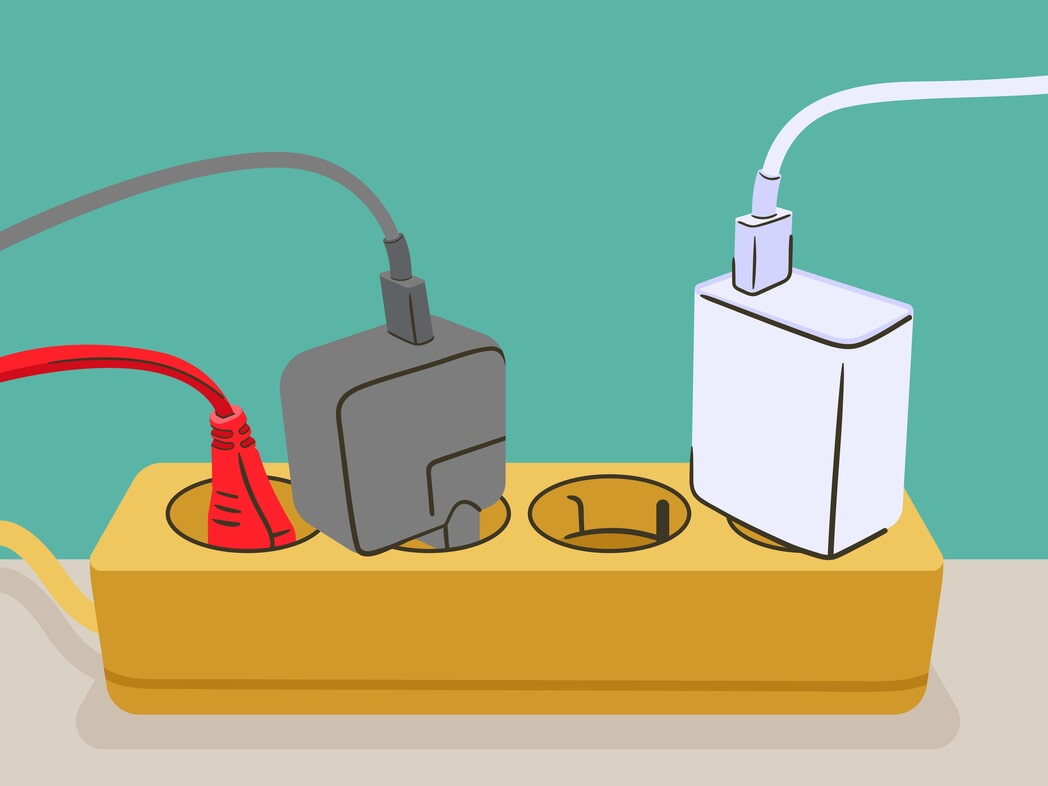
Avoid shocking consequences – commit to electrical safety
May is National Electrical Safety Month. This annual campaign focuses on raising awareness about electrical risks and reducing related accidents. While electricity is a part of everyday life, that doesn’t mean that homeowners can afford to become complacent about its dangers.
This May, remember the following tips for electrical safety in your home:
- Check equipment. Regularly check the condition of cords, devices, appliances, and outlets, as even slight defects or damage could lead to severe shock injuries or represent serious fire hazards.
- Plug in appliances appropriately. Make sure major appliances, such as refrigerators, washers, dryers, and dishwashers, are plugged directly into a wall receptacle outlet rather than using an extension cord or power strip. Refrain from plugging in more than one heat-producing appliance, such as coffee makers and space heaters, into an outlet at the same time.
- Unplug when unnecessary. When devices and small appliances are not in use, unplug them. This not only reduces the risk of electrical accidents but may also help you save on your energy bill.
- Stow cords safely. Do not keep loose cords running across rooms, hallways, or otherwise in areas where they may be stepped on, tripped over, or damaged. Do not rely on extension cords as part of your home’s permanent arrangements.
- Be wary of water. Keep electrical devices and cords away from water, and make sure areas around outlets are dry. Avoid handling electronics if your hands are wet or even damp.
If you have concerns about your home’s electrical systems or are planning any projects, it’s best to consult with and hire a qualified electrician.
Contact us today for more home safety resources.
{{richtext-cta-homeowners-insurance="/components/rich-text-cta"}}
Factors that determine life insurance premiums
Life insurance can be a valuable tool when planning for your family’s future. But while these policies can establish and maintain financial security for your loved ones, they also involve their own costs.
Consider the following criteria that life insurance companies may use to determine premiums:
- Type of policy—Generally, term life insurance is more affordable than a permanent policy due to its limited coverage term and lack of a cash value component.
- Death benefit amount—As is the case with most types of insurance, the more coverage you purchase, the higher the price.
- Age—Shopping for a policy when you’re older will typically result in higher rates. It’s often advisable to purchase a policy earlier in life and lock in lower rates.
- Medical history—For many policies, life insurance companies check your health records and may request that you undergo an exam. Healthy applicants can generally expect lower costs.
- Career and lifestyle—Your daily life, such as working in a high-risk industry, enjoying dangerous hobbies (e.g., rock climbing and motorsports), or using tobacco products, can affect your premiums.
For more information about life insurance or to find the right coverage, contact us today.
How car drivers can help keep motorcycle riders safe
Every May is Motorcycle Safety Awareness Month. This campaign requires more than only the efforts of those behind the handlebars. Bikers are inherently vulnerable while amongst larger vehicles.
Do your part in keeping them safe by remembering these tips:
- Increase your following distance. It may take an extra second to realize motorcycles are slowing down, as riders may decelerate by rolling off the throttle rather than using their brakes.
- Watch closely. Thoroughly check your blind spots and mirrors, as you may not notice motorcycles at first glance due to their smaller sizes.
- Understand lane positioning. Don’t try to share a lane with a motorcycle, even if they’re positioned toward one side of it. Riders may do this for a number of reasons, including making themselves more visible and minimizing the effects of wind.
- Plan passes carefully. Active turn signals well in advance of changing lanes to allow motorcyclists to anticipate your maneuver and find a safe lane position. Make sure you’re well ahead of a motorcycle rider before merging in front of them.
Click here to learn more about motorcycle safety and Motorcycle Safety Awareness Month.
This newsletter is intended for informational use only and should not be construed as legal, financial, or medical advice. © 2026 Zywave, Inc. All rights reserved.
.jpg)
.jpg)
.jpg)
.jpg)
.jpg)
.jpg)
.jpg)
.jpg)
.jpg)
%20(1).webp)